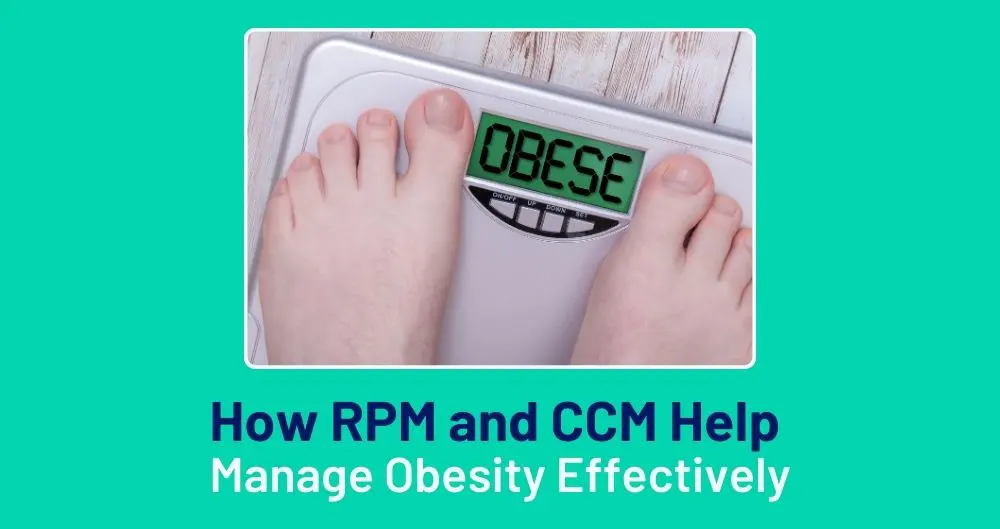
Obesity Management with RPM and Chronic Care Strategies
Obesity is now recognized worldwide as a chronic disease and a serious public health issue. In the U.S., more than 42% of adults are obese, and by 2030, that number may reach 50%.
While some medications can help suppress appetite, they carry long-term risks such as side effects and dependency. A safer, lasting solution lies in building healthier habits—managing weight, improving BMI, and preventing obesity-related health problems.
This is where Remote Patient Monitoring (RPM) and Chronic Care Management (CCM) step in. Together, they help patients form healthier habits, stay engaged, and receive continuous support.
How Remote Patient Monitoring (RPM) Supports Obesity Management?
Remote Patient Monitoring (RPM) combines cellular and Bluetooth devices to transmit medical data between individuals at different locations for ongoing provider assessment.Continuous Monitoring of Vital Signs
Through RPM, doctors can monitor important health indicators, including weight, together with blood pressure and heart rate, as well as blood glucose levels continuously. Obese people need to monitor their essential health indicators continuously because this practice helps them track their progress while enabling adjustments to their treatment protocol and detecting emerging health concerns.Personalized Treatment Plans
RPM gives healthcare providers access to real-time patient data, making it easier to design custom nutrition and exercise programs that fit each patient’s lifestyle and health needs.Better Patient Engagement
Patients using RPM become active participants in their own care. Real-time feedback keeps them motivated, accountable, and more likely to follow treatment plans, leading to stronger results.Coordinated Holistic Care
CCM brings together primary care doctors, specialists, and behavioral health experts to create a unified care plan that addresses both the medical and behavioral sides of obesity.Patient Education and Support Services
Education is central to CCM. Patients get:
-
Counseling
-
Lifestyle coaching
-
Easy-to-follow educational materials
This empowers them to make smarter food choices, manage portions, and prevent future complications.
Regular Follow-ups
With daily monitoring and scheduled check-ins, CCM ensures progress is tracked closely. Providers can quickly adjust treatment plans when needed.Nutritional Education and Dietary Guidance for Managing Obesity
Remote Patient Monitoring (RPM) and Chronic Care Management (CCM) work hand in hand to make patient education a central part of obesity care. Through CCM, providers can offer structured programs that teach patients:
-
How to choose healthier foods
-
The importance of proper portion sizes
-
Practical tips for meal planning and preparation
This guidance helps patients build the knowledge and skills needed to make smarter dietary choices, leading to better weight control and fewer obesity-related complications.
Beyond nutrition, RPM and CCM also emphasize lifestyle coaching and behavior change. Together, they address the habits and daily choices that contribute to obesity, helping patients create long-term improvements in weight and overall health. While RPM and CCM are often known for tracking vital signs and health data, their real strength lies in their ability to track behaviors and encourage lasting lifestyle changes—making them powerful tools in the fight against obesity.
👉 In short: RPM and CCM are changing the way obesity is managed. They help patients stay engaged, providers stay informed, and together, they create healthier outcomes for the long run.
WellWink Health, LLC is a leading technology company that specializes in providing innovative solutions for the healthcare industry. With a dedicated focus on patient engagement and care coordination (CCM/RPM), our mission is to empower medical practices and healthcare facilities to deliver exceptional patient experiences and improve overall health outcomes.
To get in touch call us right now at (848)-291-2430 to learn more about our CCM program or you can also book a 30 min free consultation.
Tags:
You may also like

Guide to 2025 Remote Therapeutic Monitoring CPT Codes
As healthcare continues to evolve toward value-based care, Remote Therapeutic Monitoring (RTM) has become an increasingly important tool for providers and patients. RTM enables clinicians to monitor a patient’s progress outside of the traditional clinical setting,...

Recommended Groups for Care Management Programs
Imagine you’re a doctor or nurse, and you want to help people stay healthy and avoid those dreaded hospital visits. One of the most important things you can do is figure out which patients need extra care—the ones who would benefit the most from a care management...

Advanced Primary Care Management (APCM) Made Simple
Imagine this: You go to your doctor, and instead of juggling a handful of programs—one for chronic care, another for hospital follow-ups, and yet another for virtual check-ins—everything is rolled into one simple package. That’s Advanced Primary Care Management...