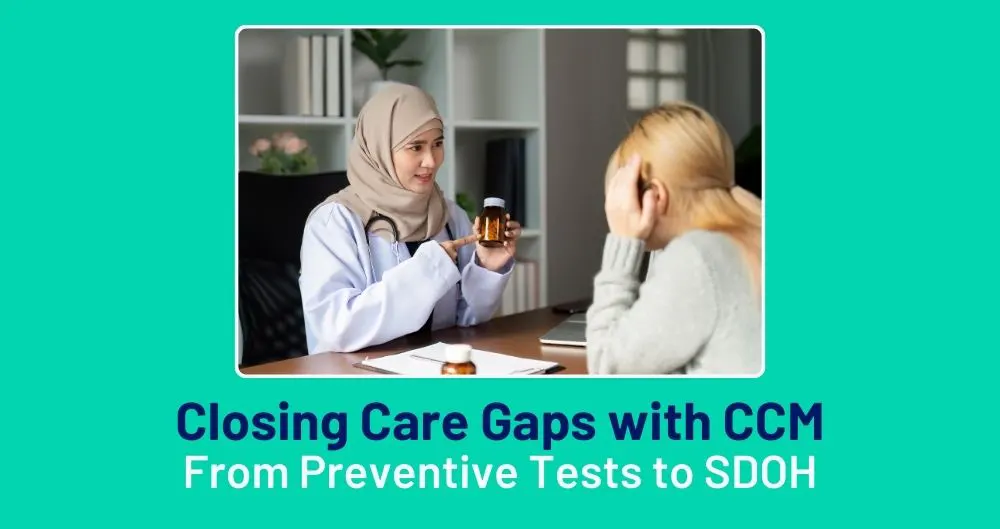
Closing Care Gaps with CCM: From Preventive Tests to SDOH
Care gaps— missed screenings, vaccinations, or preventive services—can have devastating effects. They leave patients vulnerable to preventable illnesses, worsening chronic conditions, and reduced quality of life.
For practices, failing to close care gaps can also hurt performance: lower quality scores, reduced reimbursements, and strained relationships with health plans. On the other hand, when practices successfully address these gaps, they see better patient outcomes, stronger compliance, and increased financial rewards.
One of the most effective tools to bridge these gaps is Chronic Care Management (CCM).
Supporting Patients with Chronic Care Management
Through CCM, Medicare patients with two or more chronic conditions receive ongoing monthly support from a care coordinator. This includes both scheduled check-ins and 24/7 access through phone or text. Care coordinators play a vital role in helping patients with:
- Developing personalized care plans and health goals
- Scheduling or rescheduling appointments
- Refilling prescriptions
- Monitoring blood pressure, blood sugar, or other vitals
- Identifying community resources for support
They also ensure patients don’t miss critical preventive care such as cancer screenings, HbA1c testing, or vaccinations.
Closing Care Gaps with Coordinators
If a coordinator notices something missing in a patient’s records, they take action:
-
Completing assessments over the phone
-
Recording care that was completed elsewhere
-
Respectfully documenting refusals
-
Referring patients back to the practice for in-person care
This hands-on approach helps prevent patients from “falling through the cracks.”
The Broader Impact of CCM
CCM not only closes gaps in preventive care but also addresses social determinants of health (SDOH)—factors like safe housing, transportation, and nutrition that directly affect well-being.
During monthly follow-ups, coordinators can screen for these needs and connect patients to resources such as:
- Food banks
- Housing authorities
- Utility support services
- Senior centers
- Medication delivery or transport services
By supporting both medical and non-medical needs, CCM helps patients stay healthier, longer.
Why Addressing Care Gaps Matters
Every patient in a CCM program receives regular clinical assessments—from condition awareness checks to screenings for daily living activities. That means up to 12 opportunities per year for practices to:
- Identify and address care deficiencies
- Strengthen patient relationships
- Improve value-based care performance
- Increase reimbursements and compliance scores
In short, CCM makes preventive care more consistent, patient-friendly, and effective.
Chronic Care Management is more than a program—it’s a bridge. It connects patients to preventive care, closes gaps that could otherwise lead to complications, and addresses social challenges that impact health.
For patients, CCM means better health and peace of mind. For practices, it means better outcomes, stronger quality scores, and greater financial stability.
WellWink Health, LLC is a leading technology company that specializes in providing innovative solutions for the healthcare industry. With a dedicated focus on patient engagement and care coordination (CCM/RPM), our mission is to empower medical practices and healthcare facilities to deliver exceptional patient experiences and improve overall health outcomes.
To get in touch call us right now at (848)-291-2430 to learn more about our CCM program or you can also book a 30 min free consultation.
Tags:
You may also like
Guide to 2025 Remote Therapeutic Monitoring CPT Codes
As healthcare continues to evolve toward value-based care, Remote Therapeutic Monitoring (RTM) has become an increasingly important tool for providers and patients. RTM enables clinicians to monitor a patient’s progress outside of the traditional clinical setting,...
Recommended Groups for Care Management Programs
Imagine you’re a doctor or nurse, and you want to help people stay healthy and avoid those dreaded hospital visits. One of the most important things you can do is figure out which patients need extra care—the ones who would benefit the most from a care management...
Advanced Primary Care Management (APCM) Made Simple
Imagine this: You go to your doctor, and instead of juggling a handful of programs—one for chronic care, another for hospital follow-ups, and yet another for virtual check-ins—everything is rolled into one simple package. That’s Advanced Primary Care Management...
I’m really inspired together with your writing skills as neatly as with the layout in your blog. Is that this a paid subject matter or did you customize it yourself? Either way keep up the excellent high quality writing, it’s uncommon to look a great weblog like this one today!