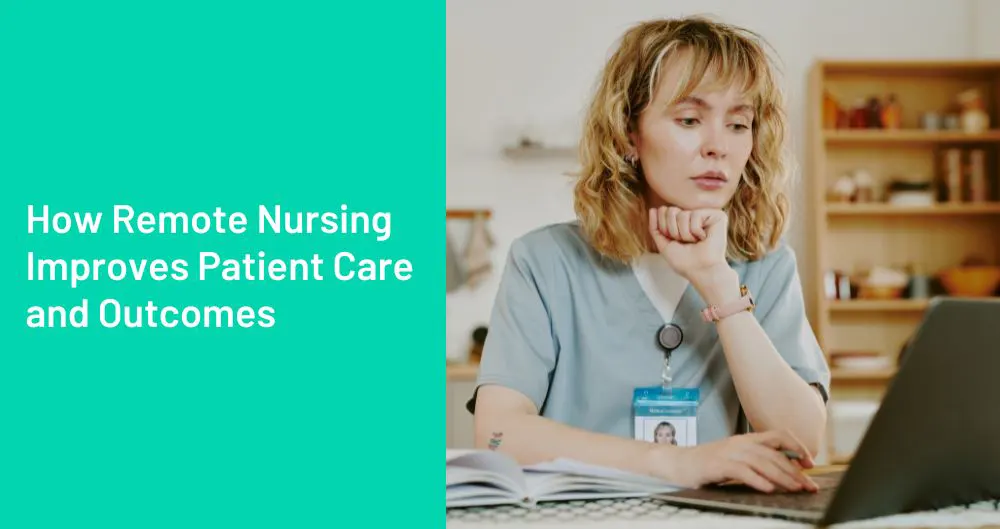
How Remote Nursing Improves Patient Care and Outcomes
Expanding Access to Care
The biggest benefit of remote nursing is convenience. Patients can ask health questions without worrying about transportation. Furthermore, they no longer need to spend hours traveling for a simple check-in. With 24/7 access, help is always just a phone call away.
The Chronic Care Management service provides round-the-clock phone access, which enhances patient access to healthcare. Patients can contact a healthcare professional through the 24/7 care line whenever they require urgent help at any time, including late night and holiday periods.
Better Health Outcomes
Studies and real-world experience show that patients supported through remote nursing often experience improved results—such as better management of chronic conditions, lower hospital readmission rates, and stronger adherence to treatment plans. Remote nursing leads to better health results. Patients manage chronic conditions more effectively and return to the hospital less often. Additionally, regular check-ins empower patients to take charge of their own recovery.Continuous Support and Monitoring
Digital tools like video calls, remote monitoring devices, and secure messaging allow nurses to keep a close watch on patients’ progress. Nurses use video calls and monitoring devices to track patient progress. This constant visibility helps them spot issues early. As a result, they can respond quickly to prevent complications. This gives patients peace of mind between their doctor visits.Reducing Burden on Bedside Nurses
Remote nurses handle routine tasks like patient education and follow-up assessments. This shifts the administrative load away from the bedside. Consequently, on-site staff can focus entirely on direct patient care. This balance helps solve the staffing shortages many hospitals face.Workforce Flexibility and Retention
Remote roles give nurses more options for flexible schedules, eliminate long commutes, and even allow experienced or retired nurses to stay involved in patient care. This flexibility not only improves work satisfaction but also helps healthcare organizations retain valuable nursing expertise.Raising Patient Satisfaction
Patients often report greater satisfaction when they have consistent access to a nurse who can answer questions, provide guidance, and coordinate care. Some programs also pair remote nurses with bedside teams to improve responsiveness, reduce wait times, and provide mentoring support to less experienced staff.Conclusion
Remote nursing is reshaping modern healthcare by:
-
Expanding access to care across distance and circumstance
-
Improving outcomes for chronic and acute conditions
-
Offering real-time monitoring and faster interventions
-
Lightening workloads for in-hospital nurses
-
Creating more flexible, fulfilling career paths for nurses
-
Increasing patient trust and satisfaction
By blending technology with human expertise, remote nursing helps healthcare systems deliver safer, more effective, and more compassionate care.
WellWink Health, LLC is a leading technology company that specializes in providing innovative solutions for the healthcare industry. With a dedicated focus on patient engagement and care coordination (CCM/RPM), our mission is to empower medical practices and healthcare facilities to deliver exceptional patient experiences and improve overall health outcomes.
To get in touch call us right now at (848)-291-2430 to learn more about our CCM program or you can also book a 30 min free consultation.
You may also like
Why Independent Practices Need to Survive and Thrive
Independent practices (offices owned by the doctors themselves) are being bought up by large hospital chains and investment firms. The Numbers: In 2012, nearly half of all doctors owned their own practice. By 2018, that dropped to about 31%. Rural Areas: Small towns...
Guide to 2025 Remote Therapeutic Monitoring CPT Codes
As healthcare continues to evolve toward value-based care, Remote Therapeutic Monitoring (RTM) has become an increasingly important tool for providers and patients. RTM enables clinicians to monitor a patient’s progress outside of the traditional clinical setting,...
Recommended Groups for Care Management Programs
Imagine you’re a doctor or nurse, and you want to help people stay healthy and avoid those dreaded hospital visits. One of the most important things you can do is figure out which patients need extra care—the ones who would benefit the most from a care management...