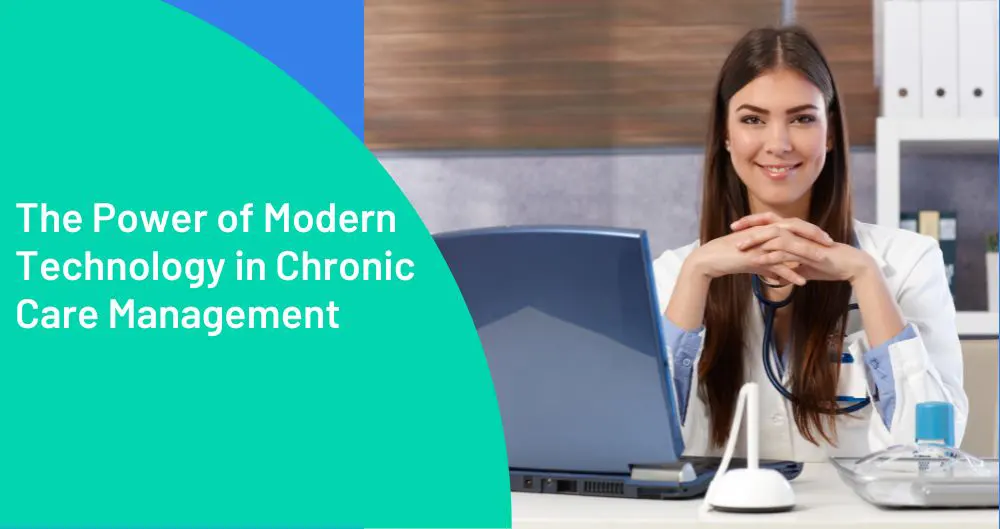
The Power of Modern Technology in Chronic Care Management
9 Key Technologies Driving CCM Success
1. Cloud data sharing
Patient data is securely stored and shared in the cloud, making it easier for providers to collaborate and make care decisions in real time. HIPAA compliance ensures privacy and security.2. Electronic health records (EHR)
EHRs centralize patient histories and empower both providers and patients. Patients gain access to their own lab results and visit notes, encouraging self-management of chronic conditions.3. Artificial Intelligence (AI)
AI helps in three major ways. First, it analyzes patient calls to ensure high quality. Second, predictive models help doctors spot health issues early. Finally, AI creates easy-to-read content for patients. This keeps them engaged with realistic health goals and better education.4.Time-tracking tools
Accurate records of care time support precise billing and highlight patients who need more frequent follow-ups. This ensures resources are used wisely while improving compliance.5.Telephonic software
Simple, reliable phone tools make it easy for patients to reach providers and receive timely support. They bridge the gap between in-person visits and long-term care management.6.Reporting software
Reporting tools highlight trends in patient data, support documentation, and keep patients informed about their progress. Transparency helps patients take responsibility for their own health.7.Analytical tools
Analytics go beyond reporting—they interpret data, reveal gaps in care, and suggest treatment options. They also help reduce costs by identifying patients at higher risk of complications.8. Live texting
Text messaging offers patients quick, convenient ways to ask questions, report issues, or get medication reminders. It improves compliance and strengthens the patient–provider connection.9. Remote patient care
Technology makes care more flexible, overcoming barriers like distance or mobility. Patients can connect with care managers anytime—through voice or text—without needing to travel. Technology isn’t just making CCM more efficient—it’s making it more human-centered. By connecting patients and providers in real time, enabling proactive monitoring, and empowering patients to take charge of their health, modern tools are redefining how chronic care is delivered. For practices, partnering with the right CCM provider ensures that these powerful technologies are seamlessly integrated into workflows—helping staff save time, patients receive better care, and the entire system move closer to value-based healthcare.WellWink Health, LLC is a leading technology company that specializes in providing innovative solutions for the healthcare industry. With a dedicated focus on patient engagement and care coordination (CCM/RPM), our mission is to empower medical practices and healthcare facilities to deliver exceptional patient experiences and improve overall health outcomes.
To get in touch call us right now at (848)-291-2430 to learn more about our CCM program or you can also book a 30 min free consultation.
You may also like

Why Independent Practices Need to Survive and Thrive
Independent practices (offices owned by the doctors themselves) are being bought up by large hospital chains and investment firms. The Numbers: In 2012, nearly half of all doctors owned their own practice. By 2018, that dropped to about 31%. Rural Areas: Small towns...
Guide to 2025 Remote Therapeutic Monitoring CPT Codes
As healthcare continues to evolve toward value-based care, Remote Therapeutic Monitoring (RTM) has become an increasingly important tool for providers and patients. RTM enables clinicians to monitor a patient’s progress outside of the traditional clinical setting,...

Recommended Groups for Care Management Programs
Imagine you’re a doctor or nurse, and you want to help people stay healthy and avoid those dreaded hospital visits. One of the most important things you can do is figure out which patients need extra care—the ones who would benefit the most from a care management...