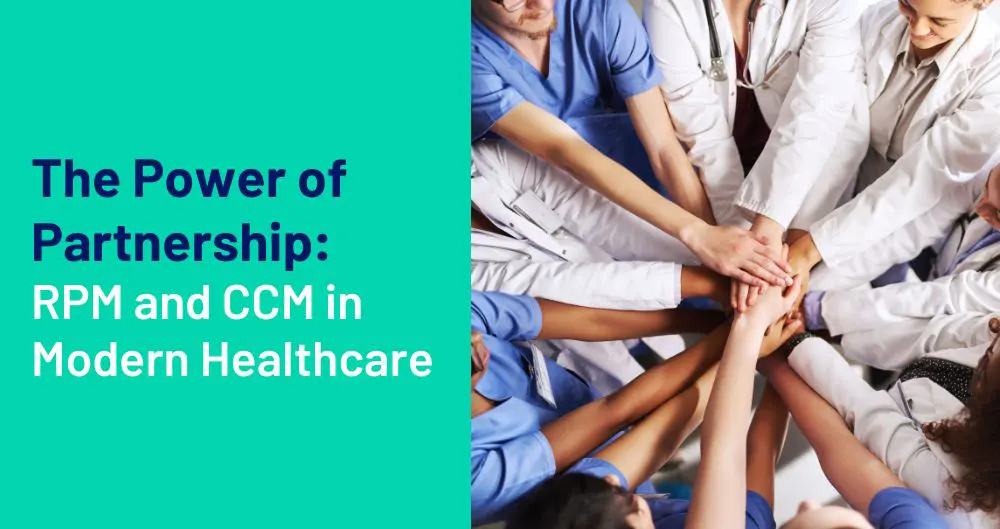
The Power of Partnership: RPM and CCM in Modern Healthcare
Chronic diseases account for 90% of the U.S. annual healthcare costs—nearly $4.5 trillion. To manage these expenses while improving care, most healthcare organizations now rely on Remote Patient Monitoring (RPM) and Chronic Care Management (CCM) programs.
Individually, both offer powerful benefits. But when combined, RPM and CCM create a synergy that leads to:
-
Better patient outcomes
-
Higher patient engagement
-
More personalized care
-
Proactive rather than reactive care
-
Greater cost-effectiveness
Let’s explore how these two services work together to address chronic disease more efficiently.
Real-Time Data for Smarter Care
Remote Patient Monitoring uses connected devices to track a patient’s health and share real-time data with providers. When integrated with CCM, this data gives care teams an up-to-date view of each patient’s condition. This makes it easier to spot risks early, adjust care plans, and prevent complications before they escalate.Boosting Patient Engagement
CCM builds trust and helps patients better understand their conditions. RPM complements this by showing patients their daily health metrics and linking lifestyle choices to outcomes. Together, they encourage patients to take ownership of their health—leading to stronger treatment adherence and healthier lifestyles.Personalized Care Plans
Every patient is unique. RPM captures individual health patterns, while CCM uses that data to create tailored care plans. This combination ensures that patients receive care aligned with their specific needs, something generic models of care simply cannot provide.From Reactive to Proactive Care
Instead of waiting for problems to worsen, the RPM–CCM model helps providers act early. Real-time monitoring reveals health changes quickly, while monthly CCM support ensures issues are addressed promptly. This shift to proactive care reduces hospital visits and prevents costly emergencies.A Cost-Effective Healthcare Model
Chronic care complications are expensive. By reducing hospitalizations and unnecessary visits, RPM and CCM together lower costs for both patients and providers.
A KLAS Research survey of 25 healthcare organizations found:
-
38% saw fewer chronic care admissions
-
17% reported reduced overall costs after implementing RPM programs
This makes RPM and CCM not only effective but also sustainable solutions for the future of healthcare.
Future of Chronic Care
As healthcare costs continue to rise, integrating RPM and CCM is no longer optional—it’s essential. Together, they create a model of care that is patient-centered, proactive, and affordable. By investing in this combination, healthcare organizations can improve outcomes, cut costs, and reshape chronic care delivery for the better.WellWink Health, LLC is a leading technology company that specializes in providing innovative solutions for the healthcare industry. With a dedicated focus on patient engagement and care coordination (CCM/RPM), our mission is to empower medical practices and healthcare facilities to deliver exceptional patient experiences and improve overall health outcomes.
To get in touch call us right now at (848)-291-2430 to learn more about our CCM program or you can also book a 30 min free consultation.
Tags:
You may also like
Why Independent Practices Need to Survive and Thrive
Independent practices (offices owned by the doctors themselves) are being bought up by large hospital chains and investment firms. The Numbers: In 2012, nearly half of all doctors owned their own practice. By 2018, that dropped to about 31%. Rural Areas: Small towns...

Guide to 2025 Remote Therapeutic Monitoring CPT Codes
As healthcare continues to evolve toward value-based care, Remote Therapeutic Monitoring (RTM) has become an increasingly important tool for providers and patients. RTM enables clinicians to monitor a patient’s progress outside of the traditional clinical setting,...
Recommended Groups for Care Management Programs
Imagine you’re a doctor or nurse, and you want to help people stay healthy and avoid those dreaded hospital visits. One of the most important things you can do is figure out which patients need extra care—the ones who would benefit the most from a care management...