Preventing Falls in Older Adults: Why Risk Assessments Matter
Why Identifying Fall Risk is Critical
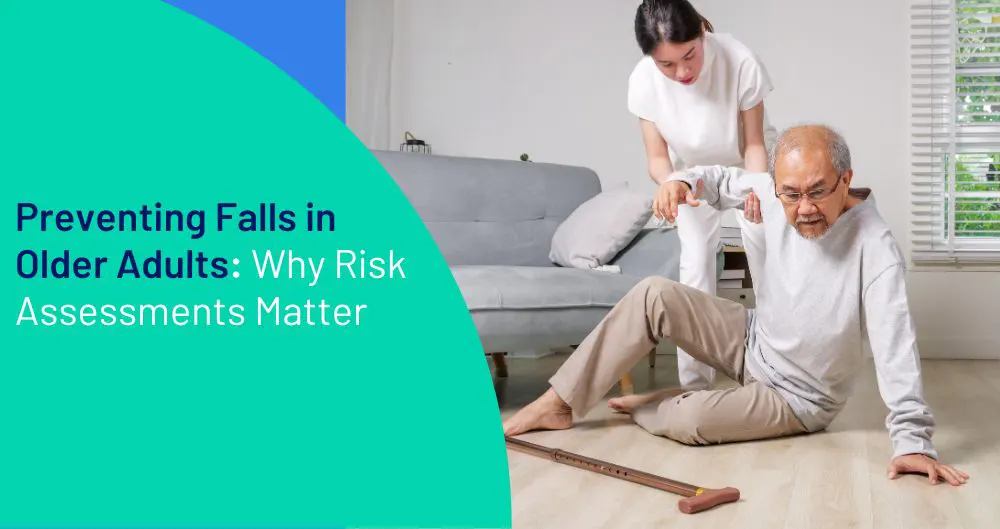
For adults over the age of 65, even one fall can be life-changing—or even life-threatening. Research shows that nearly one in three older adults experiences a fall every year. While some result in minor bruises, others can cause major injuries such as hip fractures or traumatic brain injuries. Falls are, in fact, the leading cause of fatal injuries in Americans over 65.
Even non-fatal falls can leave lasting consequences. Fear of falling often leads to reduced independence, social isolation, and decreased activity, all of which can worsen existing medical conditions. Recovery may require hospital visits, ambulance transport, or physical therapy, adding both emotional and financial strain.
How Chronic Care Management (CCM) Supports Fall Prevention
Medicare’s Chronic Care Management (CCM) program is designed for patients with two or more chronic conditions. It promotes ongoing engagement between patients and care managers, emphasizing preventive care and long-term wellness. Care managers typically check in with patients each month by phone. During these conversations, they review medications, address barriers to care, and educate patients on health goals. These touchpoints also create natural opportunities to discuss fall risks—highlighting the importance of safe home environments, exercise, and lifestyle adjustments. For example, if a patient reports dizziness during walks, a care manager can explore whether this creates a fear of falling, then collaborate with the patient and their physician to establish fall-prevention goals. These might include installing home supports like ramps or stair lifts, which care managers can help coordinate and follow up on. Because CCM emphasizes continuous communication, patients often build trust with their care managers, making them more receptive to advice on behavioral changes—such as consistent exercise or using supportive footwear.Reducing Fall Risk Through Ongoing Monitoring
Monthly CCM calls allow early detection of issues that might otherwise go unnoticed. Care managers may identify warning signs such as depression, decreased activity, vision problems, or misuse of mobility aids. With this information, they can develop personalized care plans, coordinate specialist referrals, and encourage preventive screenings, such as eye exams. These proactive steps reduce the chance of serious accidents by addressing potential problems before they cause harm. They also reassure patients that their healthcare team is paying close attention, fostering greater engagement in their own care.The Role of Annual Wellness Visits (AWVs)
Another preventive approach is the Annual Wellness Visit (AWV), available to Medicare beneficiaries. During AWVs, providers can directly assess fall risks through questions and physical evaluations. These visits also serve as an opportunity to create individualized prevention strategies. For example, a provider might learn that a patient feels unsteady after taking certain medications. They can then review alternatives, recommend balance exercises, or encourage footwear adjustments. AWVs help fill gaps between routine appointments and provide a structured way to address fall-related concerns. When practices promote AWVs, they create more touchpoints for fall prevention, which can significantly lower the rate of fall-related injuries among older adults.WellWink Health, LLC is a leading technology company that specializes in providing innovative solutions for the healthcare industry. With a dedicated focus on patient engagement and care coordination (CCM/RPM), our mission is to empower medical practices and healthcare facilities to deliver exceptional patient experiences and improve overall health outcomes.
To get in touch call us right now at (848)-291-2430 to learn more about our CCM program or you can also book a 30 min free consultation.
You may also like
Why Independent Practices Need to Survive and Thrive
Independent practices (offices owned by the doctors themselves) are being bought up by large hospital chains and investment firms. The Numbers: In 2012, nearly half of all doctors owned their own practice. By 2018, that dropped to about 31%. Rural Areas: Small towns...
Guide to 2025 Remote Therapeutic Monitoring CPT Codes
As healthcare continues to evolve toward value-based care, Remote Therapeutic Monitoring (RTM) has become an increasingly important tool for providers and patients. RTM enables clinicians to monitor a patient’s progress outside of the traditional clinical setting,...
Recommended Groups for Care Management Programs
Imagine you’re a doctor or nurse, and you want to help people stay healthy and avoid those dreaded hospital visits. One of the most important things you can do is figure out which patients need extra care—the ones who would benefit the most from a care management...