
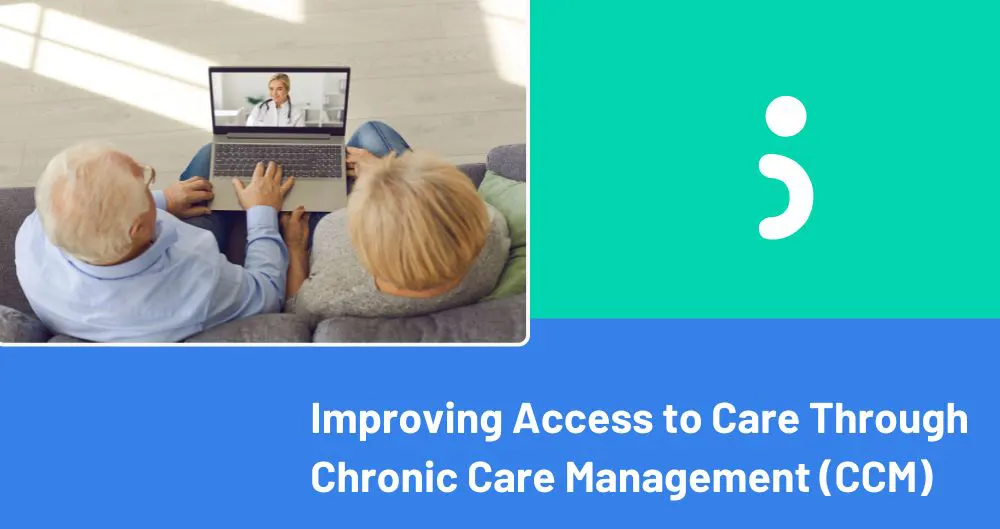
Improving Access to Care Through Chronic Care Management (CCM)
Barriers to Accessing Care
Patients often face obstacles like limited transportation or physical mobility issues. Consequently, they may miss important follow-up appointments. CCM removes these hurdles by providing care over the phone or through secure messaging. Furthermore, CCM provides a dedicated care coordinator. This professional acts as a direct link to the doctor. Because patients have a 24/7 point of contact, they feel more confident managing their health. This constant connection reduces the need for emergency room visits.Strategies to Improve Care Accessibility Through CCM
When implementing a CCM program, it’s essential to focus on availability, affordability, and convenience to ensure patients can access care as needed. Below are some key strategies to enhance care accessibility:
1. Addressing the Cost of Care
CCM involves a coinsurance fee for patients, though financial assistance may be available for those who qualify. While CCM programs may not fully eliminate costs, they help reduce overall healthcare expenses by preventing costly hospitalizations. Preventing the worsening of chronic conditions through regular check-ins and monitoring lowers the risk of expensive emergency care.
2. Making Care More Accessible
Many patients, especially those with full-time jobs, limited mobility, or transportation challenges, may find it difficult to attend in-person appointments. CCM addresses this issue by providing continuous support via phone lines, remote consultations, and virtual check-ins, ensuring that patients can receive care without needing to visit a healthcare facility physically. For those discharged from the hospital, CCM’s ongoing support allows patients to reach out with questions or concerns, helping them avoid complications.
3. Enhancing Access with Simple Technology
Technology can either be an enabler or a barrier to healthcare access. For elderly patients or those not well-versed in using complex apps, it’s important to choose remote care solutions that are user-friendly and accessible. CCM programs should utilize simple platforms that allow for easy communication and data sharing. A well-designed CCM system provides multiple communication channels, including phone calls, SMS texting, emails, and direct mail, to accommodate patients’ preferences and needs.
4. Expanding Access to Healthcare Services
Regardless of whether you’re implementing CCM internally or collaborating with an established service, it’s essential to orient patients positively toward the program. Here’s how to further expand healthcare access:
- Regular Check-ins: Remote check-ins that accommodate patients’ schedules ensure that healthcare remains accessible, even for patients with busy lives or difficult circumstances.
- Appointment Assistance: CCM care managers can help patients with transportation issues, appointment reminders, or rescheduling when necessary. This reduces no-show rates and ensures patients don’t miss important visits.
- Proper Education: Providing patients with educational materials about their conditions and treatments in a language they understand increases self-management and improves care engagement. Peer-reviewed content delivered through various channels, like email or text helps patients stay informed and confident in managing their health.
- Medication Management: Many patients face challenges with medication costs, forgetting to refill prescriptions, or difficulty accessing pharmacies. CCM care managers can assist by scheduling home delivery services, reminding patients about refills, and ensuring medications are taken as prescribed.
- Care Plan Visibility: CCM programs should provide patients with access to their care plans through online portals or alternative communication methods like email, text messages, or mail. This transparency empowers patients to take an active role in their care.
Benefits of CCM for Medicare Patients
When a practice starts a CCM program, the benefits are immediate. First, it improves patient engagement. Second, it helps identify health issues before they become crises. Additionally, it supports social needs, such as:- Transportation: Helping patients find rides to necessary specialists.
- Medication: Ensuring prescriptions are filled and taken correctly.
- Education: Teaching patients how to monitor their own vitals.
Chronic Care Management (CCM) offers an effective way to overcome barriers to healthcare access, particularly for patients with chronic conditions like diabetes, hypertension, and cardiovascular disease. By utilizing remote communication, addressing financial and logistical challenges, and providing consistent support, CCM improves patient engagement, reduces hospitalizations, and enhances overall health outcomes.
As the healthcare landscape continues to evolve, implementing CCM programs can play a key role in ensuring that all patients, regardless of their circumstances, receive the care they need to live healthier lives.
WellWink Health, LLC is a leading technology company that specializes in providing innovative solutions for the healthcare industry. With a dedicated focus on patient engagement and care coordination (CCM/RPM), our mission is to empower medical practices and healthcare facilities to deliver exceptional patient experiences and improve overall health outcomes.
To get in touch call us right now at (848)-291-2430 to learn more about our CCM program or you can also book a 30 min free consultation.
You may also like
Why Independent Practices Need to Survive and Thrive
Independent practices (offices owned by the doctors themselves) are being bought up by large hospital chains and investment firms. The Numbers: In 2012, nearly half of all doctors owned their own practice. By 2018, that dropped to about 31%. Rural Areas: Small towns...
Guide to 2025 Remote Therapeutic Monitoring CPT Codes
As healthcare continues to evolve toward value-based care, Remote Therapeutic Monitoring (RTM) has become an increasingly important tool for providers and patients. RTM enables clinicians to monitor a patient’s progress outside of the traditional clinical setting,...
Recommended Groups for Care Management Programs
Imagine you’re a doctor or nurse, and you want to help people stay healthy and avoid those dreaded hospital visits. One of the most important things you can do is figure out which patients need extra care—the ones who would benefit the most from a care management...