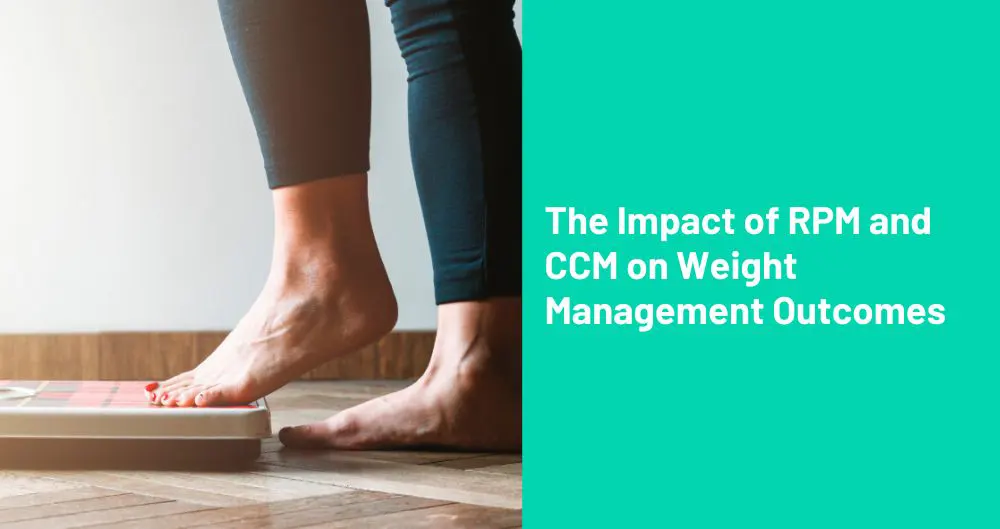
The Impact of RPM and CCM on Weight Management Outcomes
RPM in Weight Management
In 2018, a cross-sectional study published in the Obesity Journal explored the effectiveness of RPM in obesity management. The findings revealed that patients who participated in RPM for one year experienced an average weight loss of 7%. This data suggests that RPM not only helps individuals lose weight but also supports long-term weight management by providing continuous monitoring and timely interventions.
Comprehensive Health Tracking with RPM
Remote Patient Monitoring (RPM) solves the data problem. Specifically, it uses cellular-enabled scales to track a patient’s weight at home. When a patient steps on the scale, the data goes directly to their care team. As a result, providers can see trends as they happen. If a patient’s weight increases suddenly, the team can intervene immediately. This real-time feedback keeps patients accountable and engaged.Real-Time Data for Quick Interventions
One of the key advantages of RPM is the ability to monitor patients’ health data in near real-time. This allows healthcare providers to respond swiftly to any concerning trends in weight or physical activity. For instance, if a patient begins gaining weight or reducing their physical activity, a provider can intervene promptly, offering advice, adjusting the treatment plan, or simply checking in with the patient to discuss their concerns.
Timely interventions, made possible by near real-time data, can prevent small setbacks from escalating into major issues. The ability to act quickly allows for more personalized care and more frequent adjustments to treatment plans based on current patient data.
Boosting Patient Engagement and Accountability
RPM systems have been shown to increase patient motivation and accountability in weight management, particularly in cases where medication is not used for weight loss. Knowing that healthcare providers are actively monitoring their progress encourages patients to stay committed to their weight management goals. Patients who see that their data is regularly reviewed are more likely to adhere to lifestyle changes, including dietary modifications and increased physical activity, knowing their efforts are being tracked and supported.CCM and it’s role in Weight Management
Chronic Care Management (CCM) is a structured approach to managing chronic diseases, such as obesity, diabetes, hypertension, and cardiovascular disease. A 2020 study published in Obesity Reviews examined the long-term impact of CCM on weight management. The study found that, over a span of three years, participants in CCM programs were able to maintain their weight, which was closely linked to improved management of other chronic conditions like diabetes and hypertension.
Weight Management as Part of Chronic Illness Care
CCM integrates weight management into the broader context of chronic disease care, recognizing that maintaining a healthy weight is essential for reducing the risks associated with multiple chronic conditions. Unlike traditional weight management programs, CCM treats weight management as part of an overall health strategy, ensuring that weight loss or maintenance efforts align with the patient’s overall health goals. Patients enrolled in CCM programs often suffer from multiple chronic diseases, making weight management crucial for reducing complications and improving quality of life. By including weight management in a comprehensive care plan, CCM ensures that patients receive holistic treatment that addresses all aspects of their health.The Structured Approach of CCM
CCM provides a well-organized framework for managing weight, incorporating regular check-ins, medication management, and coordination across healthcare providers.
-
Regular Check-ins: Patients in CCM programs have routine appointments where their weight, vital signs, and overall health are assessed. These check-ins serve as opportunities to track progress, address challenges, and adjust treatment plans as needed.
-
Medication Management: For patients with chronic conditions, medication management is a vital aspect of care. CCM ensures that any medications prescribed take weight management into account, potentially adjusting treatments to help prevent weight gain or promote weight loss when necessary.
-
Care Coordination: CCM relies on the active participation of multiple healthcare providers, ensuring that the patient’s weight management plan is aligned with the treatment of their other chronic conditions. This coordinated approach improves patient outcomes by ensuring comprehensive care.
Educating Patients for Better Weight Management
A central component of CCM is patient education, which empowers individuals to make informed decisions about their health. Through CCM, patients learn about the importance of nutrition, exercise, and other lifestyle factors in managing their weight. Tailored educational materials and resources provide patients with the tools they need to understand their health and make positive choices that contribute to long-term success in weight management.
Promoting Self-Management in Weight Loss
Self-management is a key aspect of weight loss within CCM programs. Patients are encouraged to take an active role in managing their health, which includes regularly weighing themselves, following prescribed treatment regimens, and making necessary lifestyle changes. By supporting patient independence, CCM fosters better weight management outcomes compared to traditional interventions that may not involve the patient as actively.
Conclusion
Integrating RPM and CCM is no longer just an option; it is a necessity for modern weight management. By combining technology and personal support, healthcare providers can ensure better outcomes for their patients. In short, this partnership helps patients lead healthier, longer lives while improving the efficiency of the clinical team.WellWink Health, LLC is a leading technology company that specializes in providing innovative solutions for the healthcare industry. With a dedicated focus on patient engagement and care coordination (CCM/RPM), our mission is to empower medical practices and healthcare facilities to deliver exceptional patient experiences and improve overall health outcomes.
To get in touch call us right now at (848)-291-2430 to learn more about our CCM program or you can also book a 30 min free consultation.
You may also like

Why Independent Practices Need to Survive and Thrive
Independent practices (offices owned by the doctors themselves) are being bought up by large hospital chains and investment firms. The Numbers: In 2012, nearly half of all doctors owned their own practice. By 2018, that dropped to about 31%. Rural Areas: Small towns...

Guide to 2025 Remote Therapeutic Monitoring CPT Codes
As healthcare continues to evolve toward value-based care, Remote Therapeutic Monitoring (RTM) has become an increasingly important tool for providers and patients. RTM enables clinicians to monitor a patient’s progress outside of the traditional clinical setting,...

Recommended Groups for Care Management Programs
Imagine you’re a doctor or nurse, and you want to help people stay healthy and avoid those dreaded hospital visits. One of the most important things you can do is figure out which patients need extra care—the ones who would benefit the most from a care management...