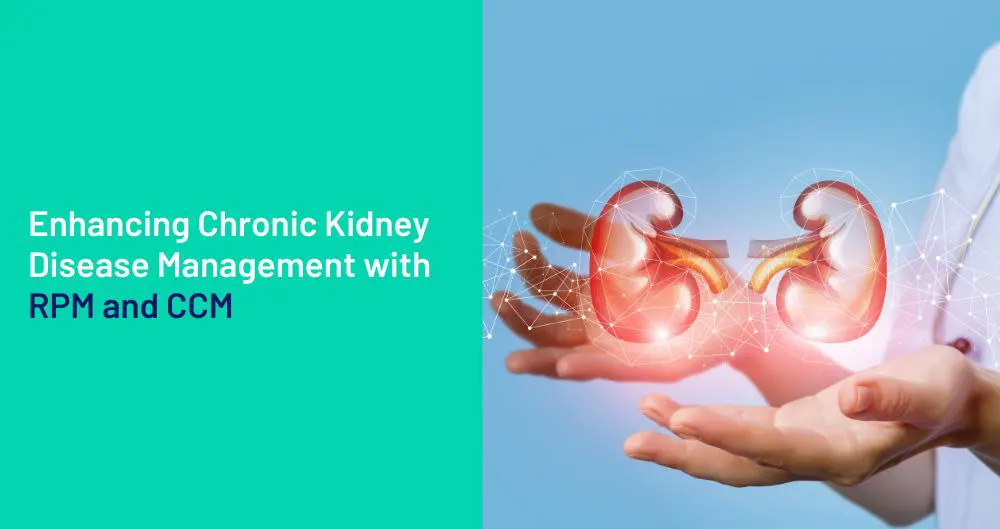
Enhancing Chronic Kidney Disease Management with RPM and CCM
What is Chronic Kidney Disease (CKD)?
Chronic Kidney Disease (CKD) is often referred to as a “silent epidemic” due to its gradual onset and lack of noticeable symptoms in the early stages. According to the World Kidney Day campaign, CKD affects approximately 10% of the world’s population and is increasingly prevalent. Early detection and regular monitoring are essential for optimal care, as CKD is often undiagnosed until it reaches advanced stages.
CKD is classified into five stages, with Stage 5 being End-Stage Renal Disease (ESRD), which requires dialysis or a kidney transplant. Early signs of CKD may go unnoticed, and lifestyle changes such as diet adjustments and proper medical management are crucial for preventing further damage.
The Importance of Remote Patient Monitoring (RPM)
Remote Patient Monitoring (RPM) is revolutionizing the management of CKD by enabling healthcare providers to track key health indicators outside traditional clinical settings. Here’s how RPM plays a vital role in CKD management:
Proactive Risk Assessment and Early Detection
RPM devices allow for continuous monitoring of vital parameters such as blood pressure, serum creatinine levels, and urine protein. Abnormalities in these markers can signal the progression of CKD. Early detection through RPM enables healthcare providers to intervene promptly, reducing the risk of complications and slowing disease progression.
Supporting Lifestyle Changes
Managing CKD requires significant lifestyle adjustments, particularly in terms of diet, physical activity, and fluid intake. RPM empowers patients to track their dietary habits, exercise routines, and hydration levels in real-time. This immediate feedback helps patients make healthier choices and adhere to prescribed restrictions, which are essential in managing their condition.
Virtual Consultations for Enhanced Accessibility
RPM reduces the need for frequent in-person visits, which can be challenging for patients in remote areas or those with mobility issues. Through telemedicine, patients can consult nephrologists remotely, discuss concerns, and receive guidance on their treatment plans. This is especially beneficial for individuals who require continuous monitoring but face barriers to in-person visits.
Role of Chronic Care Management (CCM) in Chronic Kidney Disease
Chronic Care Management (CCM) is a patient-centered, comprehensive approach to managing chronic diseases like CKD. CCM integrates care coordination, patient education, and regular follow-ups to ensure that patients receive holistic care that addresses both their kidney-related issues and overall health.
Patient Education and Empowerment
An essential component of CCM is patient education. Providing CKD patients with knowledge about their condition, treatment options, and self-care strategies helps them stay committed to their treatment plans. Educated patients are more likely to make informed decisions about their health and successfully manage their condition.
Preventing Complications and Co-morbidities
CCM focuses on preventing complications associated with CKD, such as hypertension, anemia, bone disorders, and mental health issues. Managing these comorbidities alongside kidney disease helps improve overall health and prevent the progression of CKD to more severe stages.
Leveraging Health Information Technology
CCM utilizes health information technology, including Electronic Health Records (EHRs) and secure messaging systems, to track patient progress, facilitate communication among healthcare providers, and ensure timely interventions. These tools improve the coordination of care and make it easier for healthcare teams to collaborate on treatment plans.
Advantages of RPM and CCM in Chronic Kidney Disease
Early Identification and Prompt Treatment
RPM enables continuous monitoring of key health markers like blood pressure, weight, and creatinine levels, helping healthcare providers identify early signs of complications such as hypertension or fluid retention. Early intervention is critical in preventing further kidney damage and improving patient outcomes.
Medication Management and Adherence
CCM programs ensure that CKD patients adhere to prescribed medications, which is crucial for controlling blood pressure and managing other aspects of the disease. RPM devices also help monitor medication effectiveness in real-time, enabling timely adjustments to treatment plans based on patient data.
Blood Pressure Control
Hypertension is a common comorbidity of CKD and one of the leading causes of kidney deterioration. RPM devices allow for continuous blood pressure monitoring, helping healthcare providers adjust medications as needed to maintain optimal blood pressure levels and reduce the risk of cardiovascular events.
Optimized Nutrition and Hydration
Maintaining proper nutrition and hydration is essential for CKD patients. RPM systems help patients track their daily weight, while CCM programs guide appropriate fluid intake and dietary restrictions. This ensures that patients maintain the right balance of fluids and electrolytes to support kidney function.
Reduced Hospitalizations and Healthcare Costs
By providing early detection and timely interventions, RPM and CCM help reduce the frequency of hospitalizations and emergency care visits. This not only improves patient outcomes but also lowers healthcare costs associated with managing CKD.
Improved Quality of Life
Both RPM and CCM contribute to an improved quality of life for CKD patients by helping them manage their condition more effectively. These programs lead to better kidney function, fewer symptoms, and greater independence in daily activities, enabling patients to live more fulfilling lives.
Data-Driven Decision Making
RPM devices provide healthcare providers with valuable data that informs treatment decisions, medication adjustments, and lifestyle recommendations. This data-driven approach ensures that patients receive personalized care based on real-time information.
Increased Patient Engagement
CCM and RPM programs increase patient engagement by empowering patients to take an active role in their care. Patients who participate in these programs are more likely to adhere to their treatment plans, make necessary lifestyle changes, and achieve better health outcomes.
Cost Savings and Healthcare Equity
By reducing hospitalizations and complications, RPM and CCM programs help lower the overall cost of CKD management. Additionally, these programs can be expanded to underserved and remote areas, improving healthcare access and promoting equity in care delivery.
Customizing Care Plans
RPM and CCM enable healthcare providers to create personalized care plans based on each patient’s specific needs, risk factors, and treatment preferences. This individualized approach ensures that CKD patients receive the most appropriate and effective care for their condition.
WellWink Health, LLC is a leading technology company that specializes in providing innovative solutions for the healthcare industry. With a dedicated focus on patient engagement and care coordination (CCM/RPM), our mission is to empower medical practices and healthcare facilities to deliver exceptional patient experiences and improve overall health outcomes.
To get in touch call us right now at (848)-291-2430 to learn more about our CCM program or you can also book a 30 min free consultation.
Tags:
You may also like

Why Independent Practices Need to Survive and Thrive
Independent practices (offices owned by the doctors themselves) are being bought up by large hospital chains and investment firms. The Numbers: In 2012, nearly half of all doctors owned their own practice. By 2018, that dropped to about 31%. Rural Areas: Small towns...

Guide to 2025 Remote Therapeutic Monitoring CPT Codes
As healthcare continues to evolve toward value-based care, Remote Therapeutic Monitoring (RTM) has become an increasingly important tool for providers and patients. RTM enables clinicians to monitor a patient’s progress outside of the traditional clinical setting,...

Recommended Groups for Care Management Programs
Imagine you’re a doctor or nurse, and you want to help people stay healthy and avoid those dreaded hospital visits. One of the most important things you can do is figure out which patients need extra care—the ones who would benefit the most from a care management...