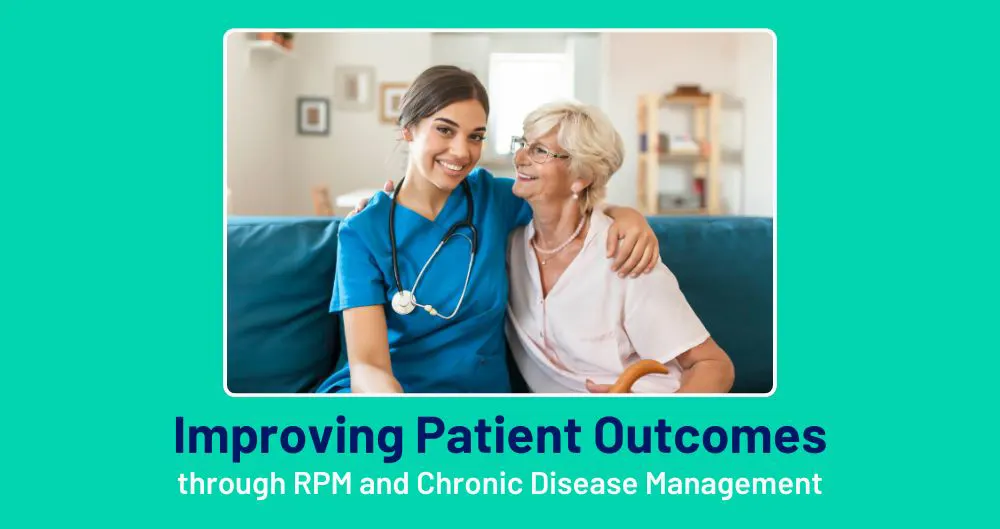
Improving Patient Outcomes through RPM and Chronic Disease Management
What is Chronic Disease Management?
Initially, the World Health Organization defined chronic diseases as long-lasting conditions that progress slowly. These include diabetes, heart failure, and arthritis. However, managing these conditions is often difficult because healthcare systems focus on short-term care. Therefore, care coordination is a critical factor for success. Fortunately, effective management leads to better mental health and fewer hospitalizations.How RPM Supports Chronic Disease Management
Remote Patient Monitoring (RPM) enhances chronic disease management by enabling healthcare providers to monitor patients’ health remotely. This shift from reactive to proactive care improves the management of chronic conditions in several ways:
Proactive Monitoring and Early Intervention
RPM allows healthcare professionals to monitor vital health metrics, such as blood pressure, pulse rate, and oxygen levels, on a daily basis. This real-time data enables early detection of issues before they escalate into serious complications. For example, if a patient’s blood pressure rises or there’s a sudden change in their heart rate, healthcare providers can intervene promptly, adjusting treatment plans to prevent further deterioration.
Increased Patient Engagement and Health Literacy
First, RPM allows for proactive monitoring. Healthcare professionals track vital metrics like blood pressure every day. Consequently, they can detect issues before they become serious.
Second, these tools increase patient engagement. For example, RPM offers medication reminders and educational content. In addition, studies show that patients feel highly satisfied with these digital solutions. Ultimately, this improved health literacy helps individuals manage their symptoms more effectively.
Enhanced Access to Care and Convenience
RPM reduces the need for in-person visits, which can be challenging for patients with chronic conditions, especially those in rural areas or with limited mobility. By remotely monitoring patients’ vitals and condition status, healthcare providers can adjust treatment plans without requiring patients to travel long distances. This not only improves convenience for patients but also ensures that care is timely and continuous.
Cost Savings and Resource Efficiency
Another key point is that RPM significantly reduces healthcare costs. Because clinicians receive real-time data, they can identify problems early. Therefore, they avoid expensive emergency room visits. Additionally, this data-driven approach helps healthcare systems avoid unnecessary procedures.
These benefits of RPM are only a few of the emergent trends that support the growth of RPM in chronic health management.
Achieving Better Patient Outcomes with RPM
Effective management empowers patients to regain control over their health. Consequently, their quality of life and overall well-being improve significantly. Although cures for chronic conditions are rare, proactive management helps patients lead fulfilling lives. Specifically, RPM plays a critical role by allowing clinicians to monitor health changes in real-time. Therefore, they can adjust medications quickly to prevent further health deterioration.Reducing Costs and Enhancing Efficiency
Furthermore, RPM helps healthcare providers minimize operational costs. Because clinicians monitor vitals remotely, they access detailed health data without requiring an in-person visit. As a result, this reduces the need for expensive interventions and hospital admissions. Ultimately, using these tools leads to more effective care and superior long-term health outcomes for every patient.WellWink Health, LLC is a leading technology company that specializes in providing innovative solutions for the healthcare industry. With a dedicated focus on patient engagement and care coordination (CCM/RPM), our mission is to empower medical practices and healthcare facilities to deliver exceptional patient experiences and improve overall health outcomes.
To get in touch call us right now at (848)-291-2430 to learn more about our CCM program or you can also book a 30 min free consultation.
Tags:
You may also like
Why Independent Practices Need to Survive and Thrive
Independent practices (offices owned by the doctors themselves) are being bought up by large hospital chains and investment firms. The Numbers: In 2012, nearly half of all doctors owned their own practice. By 2018, that dropped to about 31%. Rural Areas: Small towns...
Guide to 2025 Remote Therapeutic Monitoring CPT Codes
As healthcare continues to evolve toward value-based care, Remote Therapeutic Monitoring (RTM) has become an increasingly important tool for providers and patients. RTM enables clinicians to monitor a patient’s progress outside of the traditional clinical setting,...
Recommended Groups for Care Management Programs
Imagine you’re a doctor or nurse, and you want to help people stay healthy and avoid those dreaded hospital visits. One of the most important things you can do is figure out which patients need extra care—the ones who would benefit the most from a care management...